

Capstone: Mentored Panel Discussion - Meet Our Panelists
Technical expertise may help establish a career, but progressing into more senior and influential roles often requires something more. The ability to build relationships, embrace unfamiliar opportunities, navigate setbacks and bring others with you can have just as much impact on how far and how quickly your career develops.
Ahead of the Capstone: Mentored Networking Event's discussion, Beyond Technical Excellence: What Actually Accelerates Your Career, we spoke to panellists Swati Mehra, Debora Bastos Bahiense and Kalbir Heer about the experiences that have shaped their own progression. Across three very different career journeys, they share honest perspectives on stepping outside your comfort zone, recognising strengths that may not appear on a CV and developing the qualities that enable people to lead, influence and grow.
Swati Mehra - Director, Datacentre Programs, Global at Microsoft
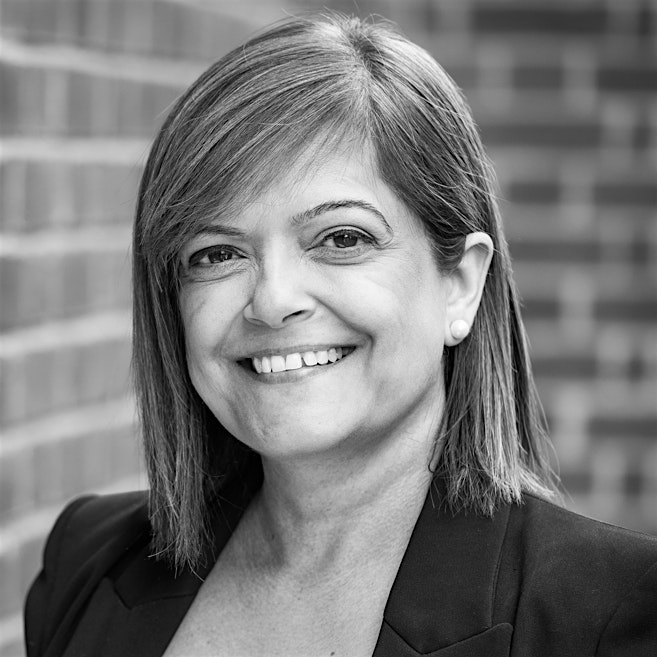
We spoke to panellist Swati Mehra about her unconventional journey at Microsoft, the value of saying yes before you feel completely ready, and why attitude can matter more than having every technical skill from the outset.
You joined Microsoft in 2008. What has your career journey looked like since then?
I originally came to London from Australia intending to travel for a year, but London drew me in and I never left. Even joining Microsoft was quite unexpected: a recruiter invited me to an interview without revealing the company, and when I arrived, I discovered it was Microsoft.
Since then, I’ve held nine different roles within the cloud business, including nine years in operations, six years across construction and digital transformation, and time working in areas such as technology and finance. I love solving complex problems, so whenever I begin to feel ready for something new, another opportunity tends to appear.
What has had the greatest impact on your career beyond technical expertise?
Honestly, I haven’t entered most of my roles with all the technical expertise required. What has helped me most is approaching new opportunities with curiosity, the right mindset and a willingness to learn.
My background is in electrical engineering, but my career has taken me into many areas I hadn’t previously experienced. One of the roles I was most reluctant to accept, working in finance and capital expenditure, became the most transformative. It gave me a completely new understanding of the cost of doing business and the importance of creating commercial value.
What would you advise someone who wants to accelerate their career?
If you don’t yet know where you want to go, try different things and say yes to opportunities. Experience helps you understand what genuinely interests you in a way that theory alone cannot.
If you already know where you want to go, think creatively about how you can develop the skills you need. I began facilitating internal management sessions and pursued executive coaching because I wanted to become better at listening, bringing people together and leading across different cultures. Development does not always arrive through a formal route, so you have to be open-minded about where and how you learn.
How have you learned to deal with setbacks?
When you’re passionate about something and it doesn’t go to plan, it can be painful and demoralising. I allow myself time to feel that disappointment rather than pretending it doesn’t matter - but then I get back up.
Giving myself that space helps me return with more energy and new ideas. Resilience has also been shaped by my early life. I became a refugee after Kuwait was invaded and my family lost everything. Rebuilding from the ground up taught me lessons that have continued to influence how I approach challenges throughout my career.
What qualities do you believe enable people to succeed?
I look for attitude, a willingness to learn and the ability to work as part of a wider team. Technical expertise can often be developed, but people also need to collaborate, bring others together and approach challenges with the right mindset.
As you progress, self-awareness and emotional regulation become increasingly important too. These aren’t qualities you perfect overnight - they are things you continue to develop throughout your career.
Swati will bring an honest perspective on embracing unfamiliar opportunities, developing skills beyond your formal role and using resilience, curiosity and self-awareness to keep moving forward.
Debora Bastos Bahiense - Senior Corporate Account Manager at Ecolab
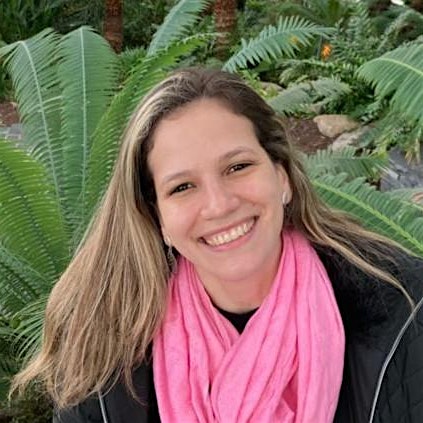
Debora Bastos Bahiense talks about moving beyond her original technical specialism, recognising the strengths others could already see in her and finding confidence through female networks.
How has your career developed since you first entered the data centre industry?
I began my career nearly 18 years ago as a data centre design engineer, when the industry was still taking shape. From design, I moved to ABB and continued working in mission-critical infrastructure before returning to design as the cloud era began.
I then spent seven years at Schneider Electric as cloud became a major industry trend and AI started to emerge. My career gradually evolved from electrical engineering into cooling and, with the growth of liquid cooling, into water. I now lead Ecolab’s European data centre team commercially within the water and liquid cooling space.
What has had the greatest impact on your progression beyond technical expertise?
One of the biggest influences was having other people recognise my commercial abilities before I did. I saw myself as an engineer and wanted to remain technical, but from the early stages of my career, leaders repeatedly told me that I belonged in a commercial role.
It took me a long time to listen. When I eventually made the move, it felt very natural and I realised I had been resisting something that came instinctively to me. Listening to those perspectives earlier may have accelerated my career even further.
The second major influence was the support I received from female coaches and networks. Working in a male-dominated environment, I initially viewed some aspects of who I was as weaknesses. Connecting with other women helped me recognise their value, embrace them and feel empowered rather than out of place.
How did you find the confidence to speak up and trust your judgement?
There were times when I could see that a decision might lead to a particular outcome, but I hesitated to say it aloud. As the only woman in the room, I wasn’t always sure how to phrase what I was seeing, and I worried that it would be dismissed as a feeling rather than a valid professional judgement.
When the outcomes I had anticipated happened repeatedly, I realised I needed to trust my instincts and communicate them effectively. I learned to frame those observations through my experience and explain the potential risks clearly. That ability to raise a flag and identify something others may not have considered remains important in my work today.
What have you learned from moving outside your technical comfort zone?
I started as an electrical engineer, moved into sales and cooling, and now work with chemistry, water and liquid cooling. Each step has taken me beyond what I previously considered my area of expertise.
That journey taught me that leadership isn’t about knowing everything yourself. It is about understanding the wider industry, bringing the right knowledge together and relying on the expertise of the people around you. Once I understood that, moving into unfamiliar areas became something I actively welcomed.
What advice would you give someone who wants to accelerate their career?
Look for the biggest discomfort you can find, and go for it. The opportunities that feel furthest from where we naturally sit are often where the greatest growth happens.
I would also encourage people, particularly women, not to wait until they feel completely ready. Confidence and certainty are not the same as capability. Sometimes the person who sounds the most certain knows less than the person hesitating to speak, so learning to communicate your knowledge and trust your contribution is essential.
Debora will bring a candid perspective to the panel on recognising your natural strengths, moving beyond the security of technical expertise and finding the confidence to contribute in spaces where you may feel different.
Kalbir Heer - Senior Director of People & Culture, Pure Data Centres Group
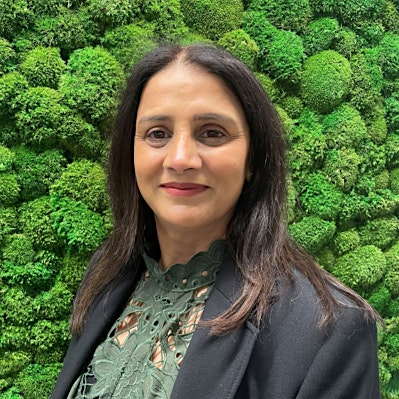
Kalbir Heer expands on the move into operations that transformed her career, the importance of understanding your stakeholders and why effective leadership begins with understanding people.
How did your career in people and culture begin?
I didn’t start my career with a clear path in mind. My first role was as an administrator within an insurance company, supporting its salespeople. When that team later merged with what was then called personnel, I began to get involved in HR.
That was when I recognised both my passion for people and my ability to connect with them. I learned that you cannot approach every conversation in the same way. You need to understand the individual in front of you, meet them at their level and build a relationship with them.
I completed my CIPD qualification while working and later moved into investment banking. However, I quickly realised I wanted to work somewhere where people were genuinely at the heart of the organisation, rather than HR simply policing what everybody else did.
What experience had the greatest impact on your career progression?
The biggest turning point was moving out of HR and into operations. During my time at Ingeus, the leadership team encouraged me to lead one of their flagship programmes, which had experienced a decline in performance. I initially declined the opportunity because I had no prior operational experience and felt I would be stepping away from the career I had worked hard to establish.
When they approached me again, I realised they could see something in me that I hadn’t fully recognised myself. I accepted the opportunity and focused on understanding the team’s strengths, helping people learn from one another and having difficult conversations where they were needed. Within three months, we had turned the office’s performance around.
When I later returned to lead the HR function, that operational experience gave me a much better understanding of the challenges facing the people I was advising. It helped me offer more practical solutions and gave those leaders greater confidence in my judgement.
What has helped you build support and influence throughout your career?
Relationships have been fundamental to everything I have done. When you introduce change, there will always be people who are resistant to it. You need to listen, collaborate and understand what matters to your stakeholders before expecting them to support you.
I learned to identify the people whose opinions influenced the wider team and involve them early. Rather than ignoring the negative voices, I would speak to them, understand their concerns and bring them into the process.
When you understand your stakeholders, you know who needs to be involved to move something forward. It stops being you trying to force a change through; those people become part of delivering it with you.
How have you successfully moved between different sectors and functions?
A commercial mindset and a willingness to ask the right questions can enable you to work across many different areas. You do not need to enter every role knowing all the answers, but you do need to look beyond your own function and understand the wider goals of the organisation.
When I joined Pure, I didn’t have a background in data centres. I learned by asking questions, sitting in on interviews and listening to the people around me.
You may not understand every technical detail, but leadership is not about doing your team’s work for them. It is about engaging people, asking the questions that help them find solutions and giving them the support they need to deliver.
What does effective leadership look like to you?
To be an effective leader, you have to understand people and recognise that performance is delivered through them. The strongest leaders are passionate about what they do, open with their teams and clear about the vision they are working towards.
People need to understand what is expected of them, how their contribution connects to the organisation’s goals and what support is available to help them succeed.
Good leadership also requires a willingness to have difficult conversations. Performance management should begin with asking how you can help somebody improve. When people know that you believe in them and are genuinely invested in their development, it can change what they believe they are capable of achieving.
At the Capstone: Mentored Networking Event, Kalbir will bring a people-centred perspective on stepping beyond your established expertise, building influence through relationships and creating the conditions in which individuals and teams can perform at their best.
Join us to hear more from the panel, build meaningful connections across the industry and explore how trust, self-awareness and the ability to bring others with you can accelerate your career. Register your interest here: https://www.eventbrite.co.uk/e/capstone-mentored-event-tickets-1994657987736
Related Insights
\\